Houdini Sportswear
An existing Next.js storefront for a Swedish outdoor clothing brand, modernized and made faster. I joined as lead frontend three years after its launch.
- Role
- Lead frontend, retainer
- Studio
- Cloud Nine, then freelance
- Stack
- Next.js, React, Styled Components, Litium, Redux
- Years
- 2022 – 2026
- Lighthouse (desktop, production, 2025)
- Performance 98, accessibility 94, best practices 97, SEO 100
- Team
- Cloud Nine: 1–2 frontend developers, 1 backend developer on Litium, 1–2 designers for new features, 1 project manager.
−38%Page load time
+21%Revenue
Study by Cloud Nine and the client, from the modernization to mid-2024
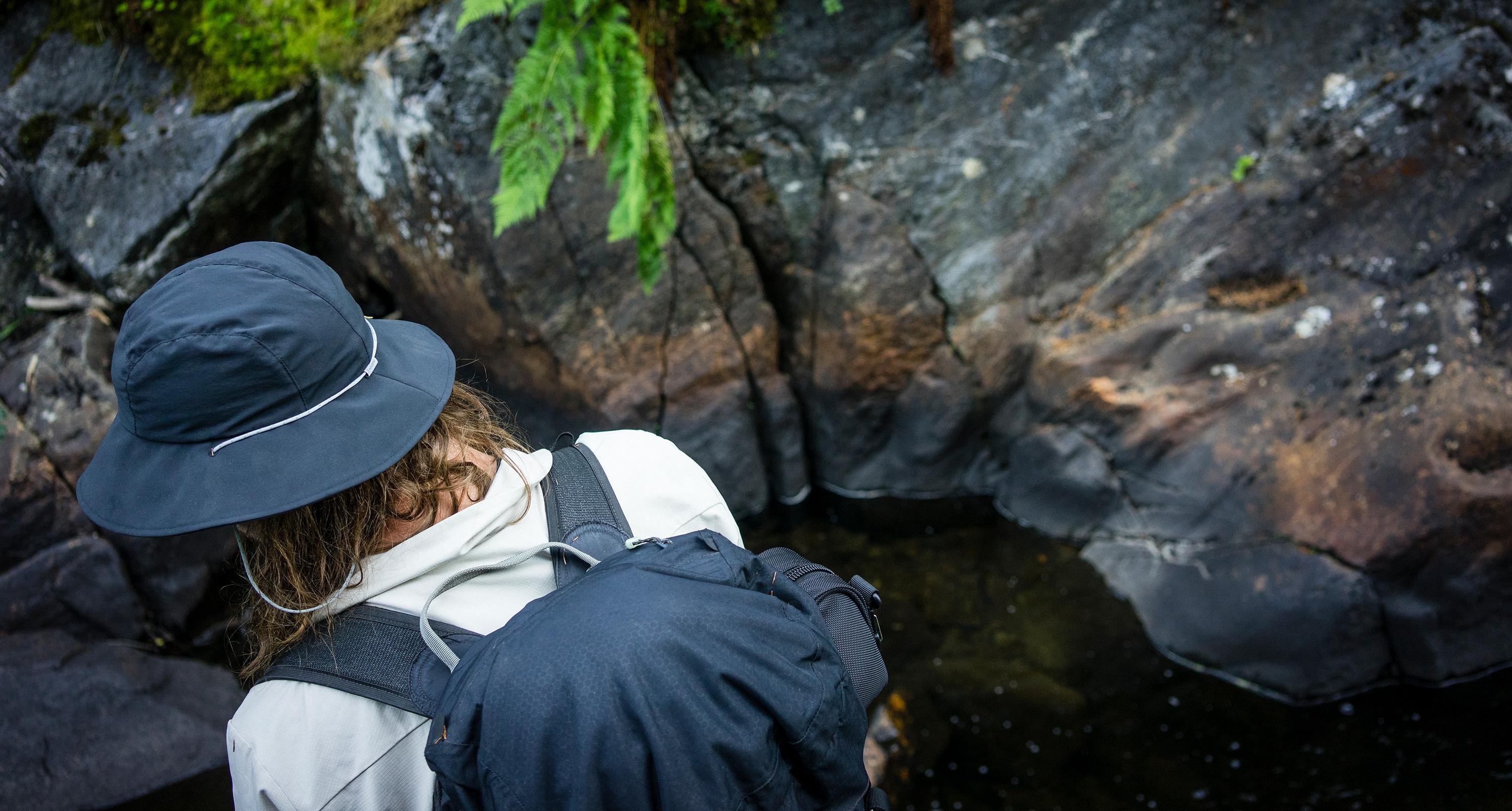
Houdini Sportswear’s storefront wore a timeless design: strong product photography and a long tail of small UX details, from custom icons to micro-animations that carried the customer through a store built around innovation and sustainability.
What I did
- Joined as lead frontend in 2022, three years after launch, after the storefront had already won Svenska Designpriset in 2019.
- Upgraded the codebase from React 16 to 18 and Next.js 9 to 15 with no major regressions.
- Cut page load time by 38%: replaced an old custom Next.js server with middleware, deferred third-party scripts and fixed image loading.
One decision
- Challenge
- An old custom server sat in front of Next.js and handled routing, redirects and markets. It kept Next's built-in optimizations off and blocked framework upgrades.
- Decision
- I removed it and moved that logic into Next.js middleware, which opened the way to Next.js 15.
- Trade-off
- Every redirect and market rule had to be rewritten and tested again before the switch, and the cut-over carried risk. AI helped write and run those tests, which kept it manageable.
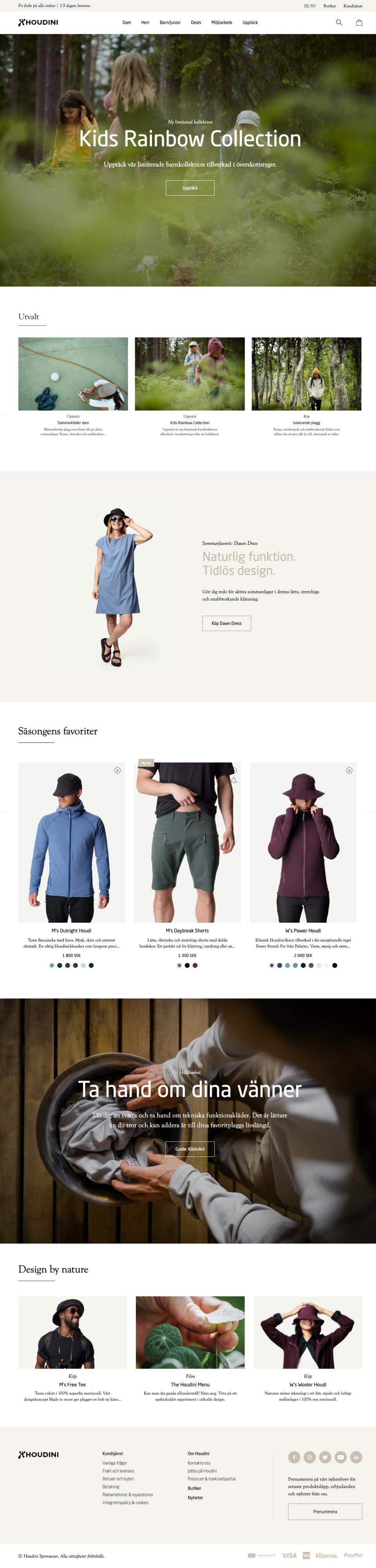
Pre-Shopify storefront